A sourced local-history overview that gives sustained space to Indigenous continuity, immigrant lives, Californio experience, and familiar civic development.
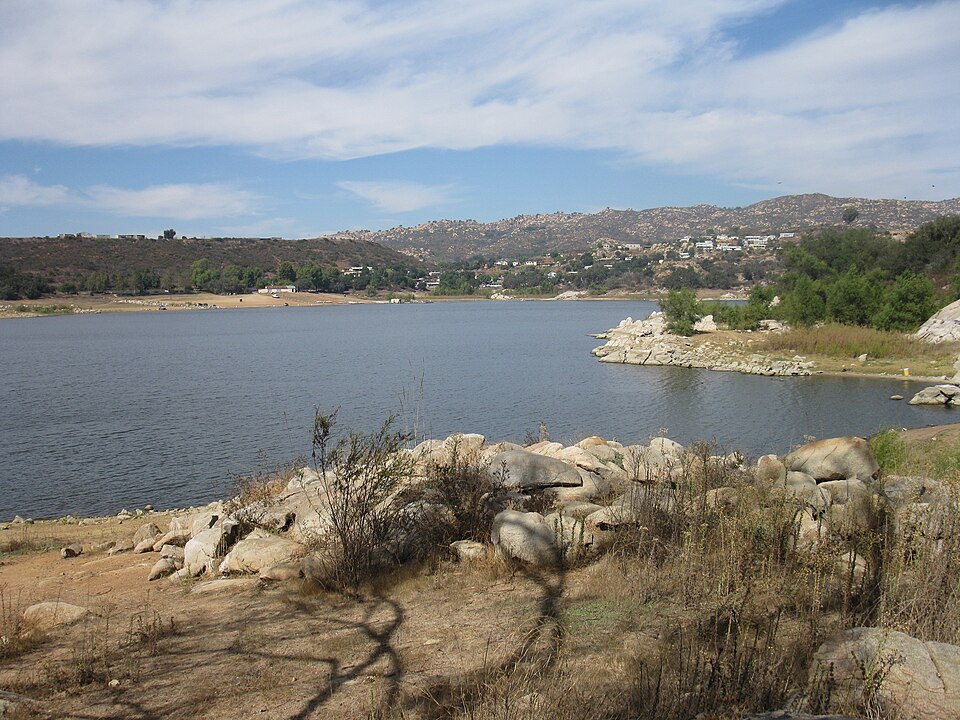
Lake Wohlford in Escondido.Image credit and rights
Credit
Photo by Chris Doig, public domain, via Wikimedia Commons. Local copy uses Wikimedia's 960px resized file; no Escondidopedia edits.
Public domain image released by the copyright holder; no license attribution is required, but creator and source credit are retained for provenance.
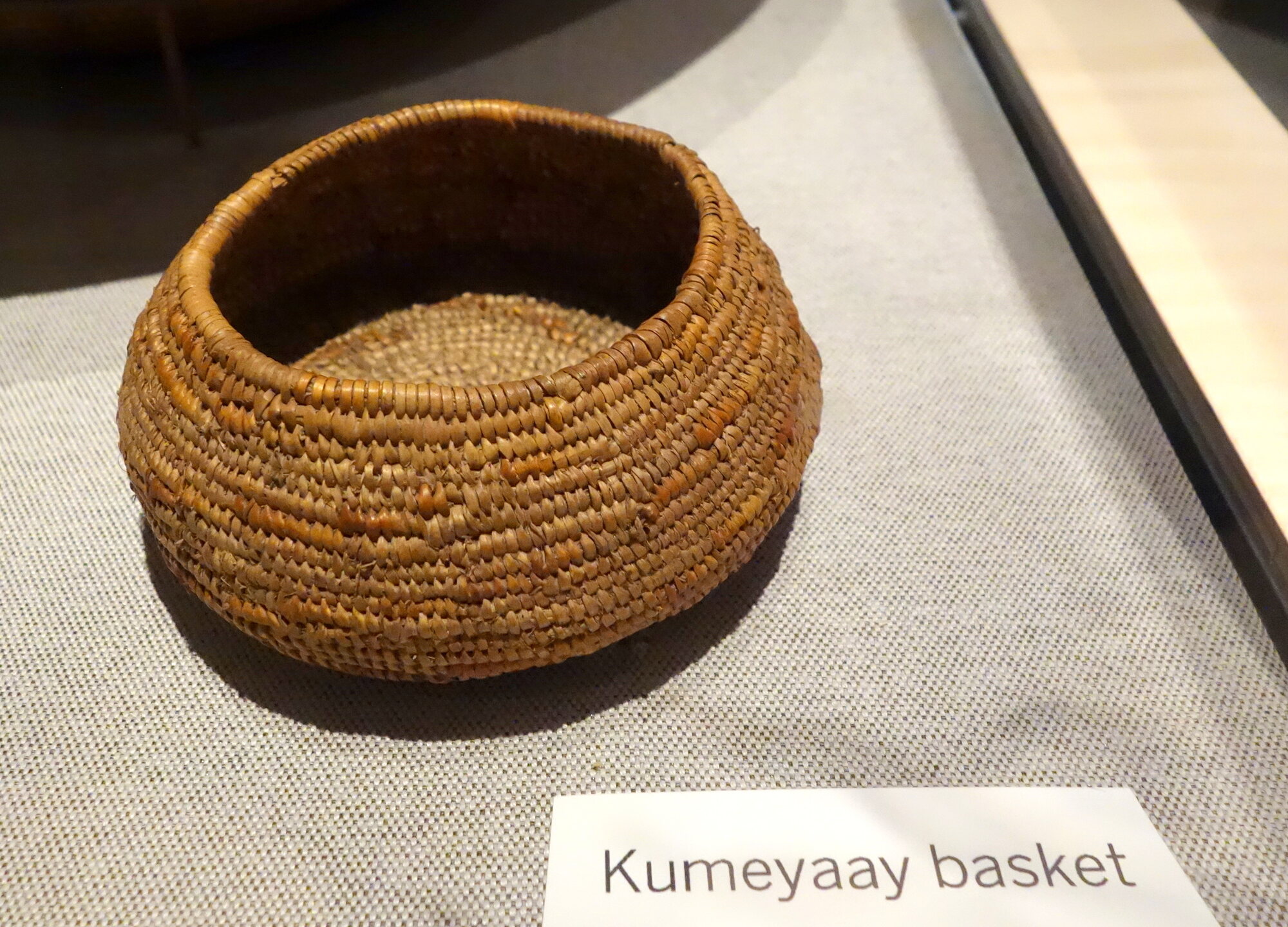
A Kumeyaay basket in the Oakland Museum of California collection. The object is cultural context, not an artifact attributed to Escondido or dated to a timeline chapter.Image credit and rights
Credit
Photograph by Daderot, dedicated to the public domain under CC0, via Wikimedia Commons.
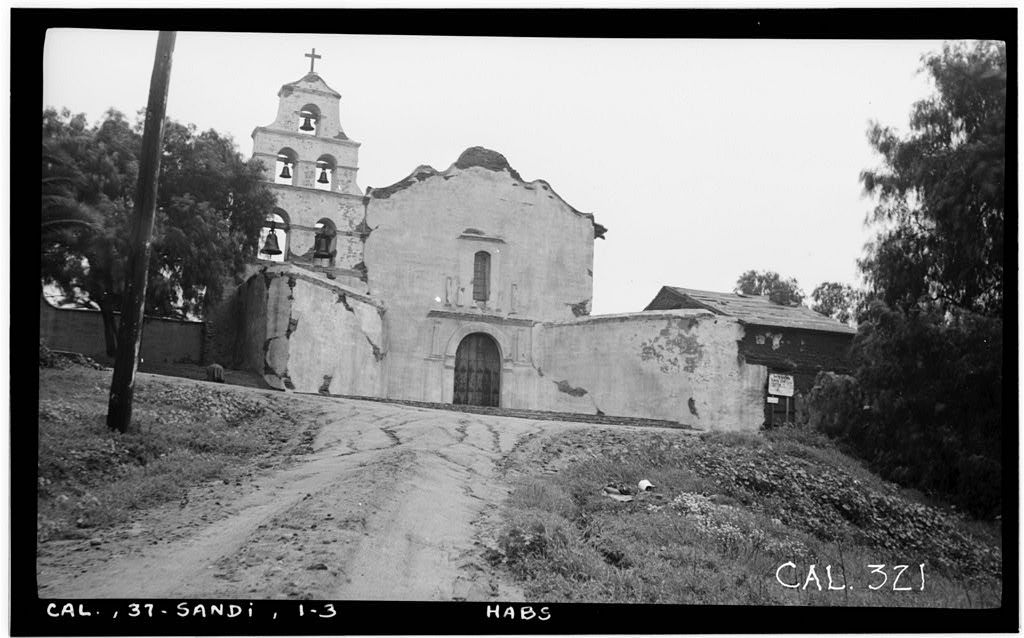
The Library of Congress reports no known restrictions on images made by the U.S. Government; retain the 1936 date and do not present the photograph as a mission-period scene.
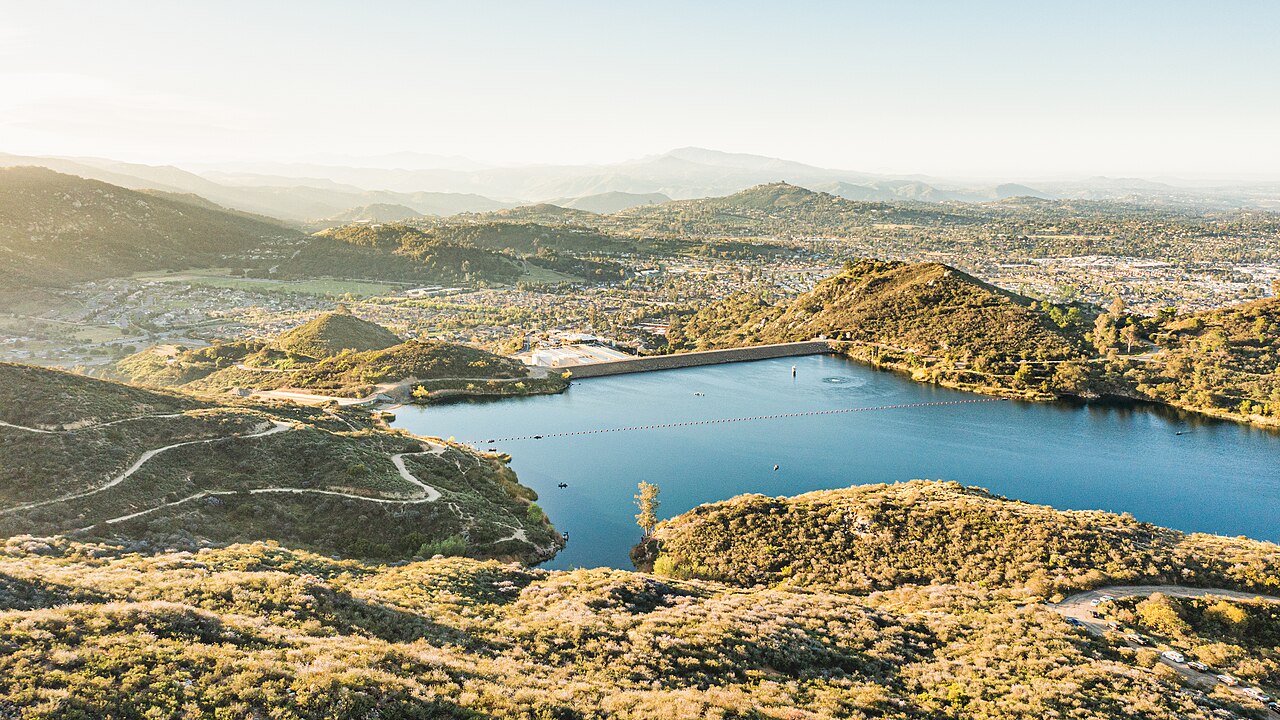
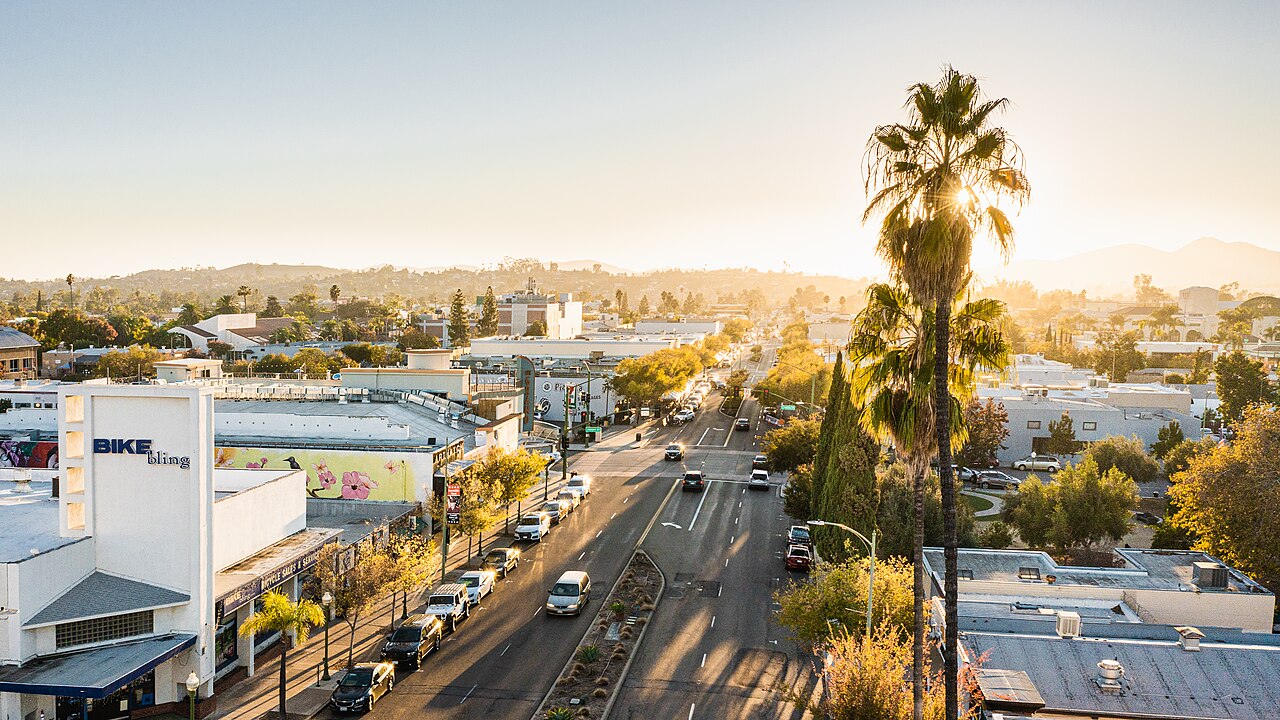
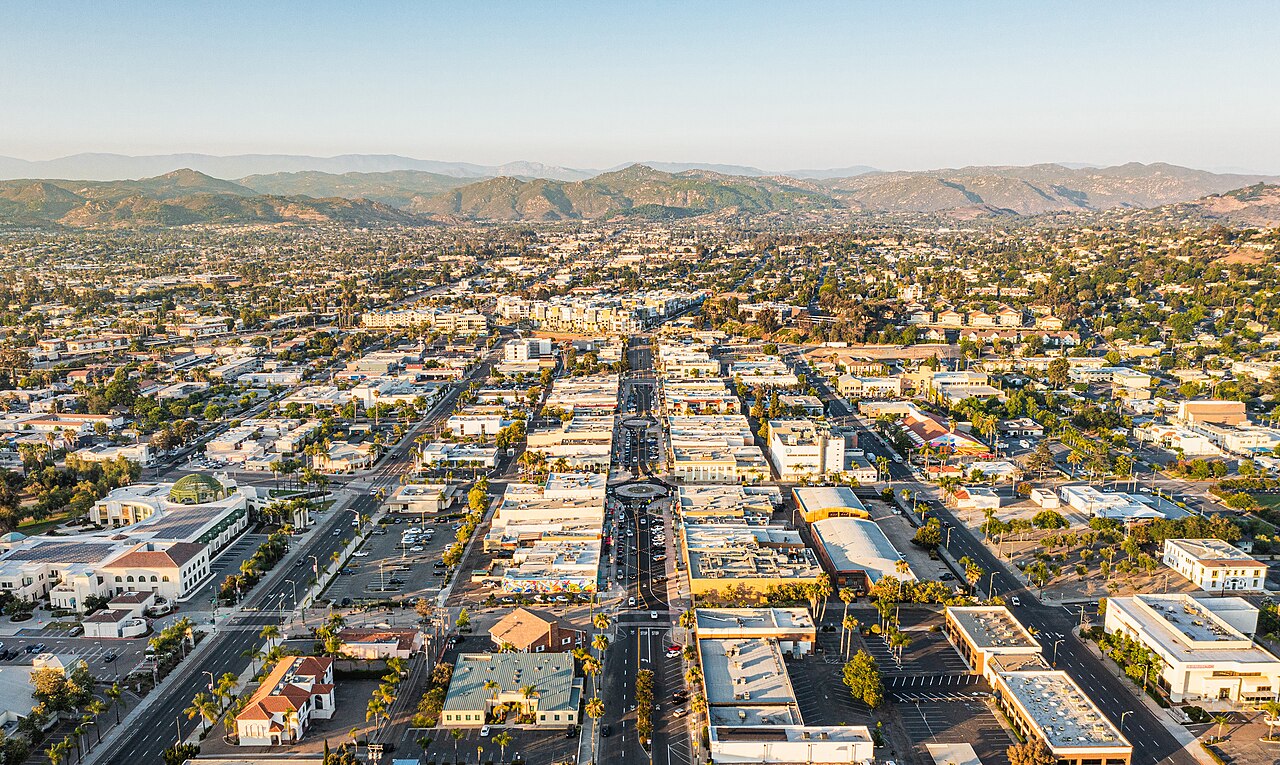
A sunrise aerial view of Dixon Lake in Escondido.Image credit and rights
Credit
Photo by Mark Skovorodko, CC BY-SA 4.0, via Wikimedia Commons. Local copy uses Wikimedia's 1280px resized file; no Escondidopedia edits.
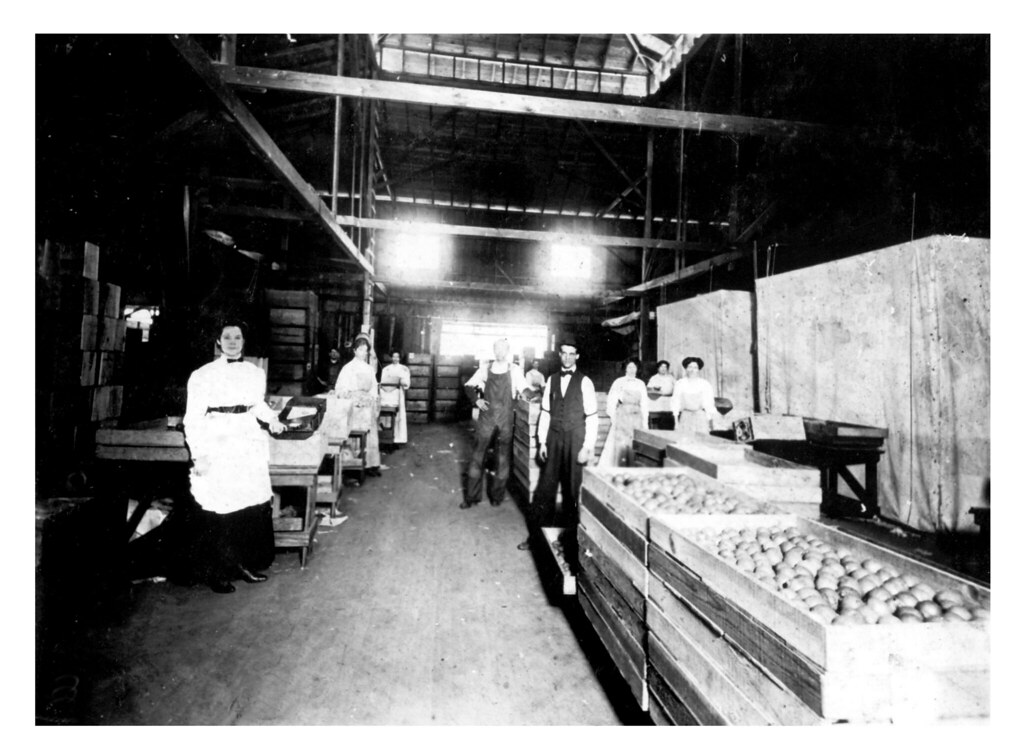
Noncommercial use only under CC BY-NC 2.0 with attribution and license link; indicate modifications. Preserve the archive title and do not infer worker identities, fruit variety, or facility operator.
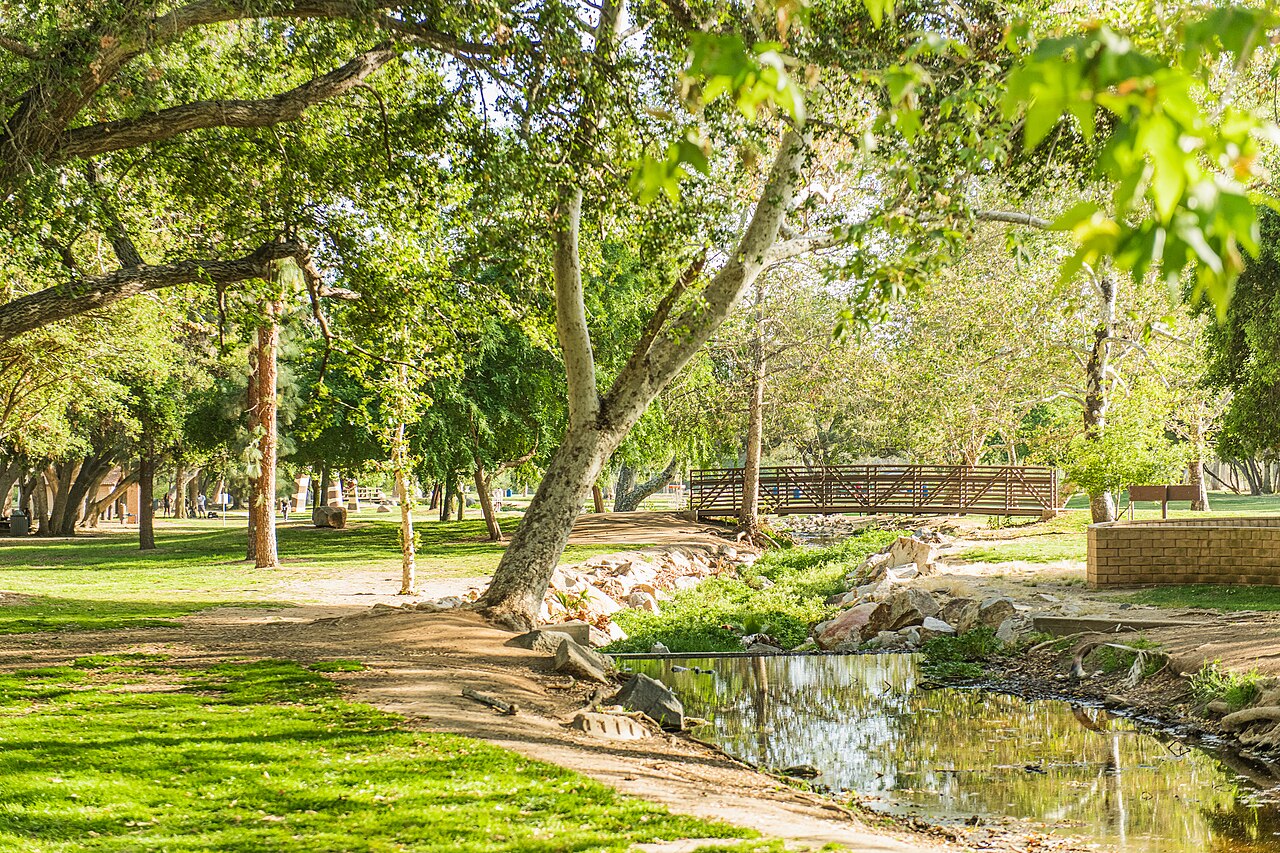
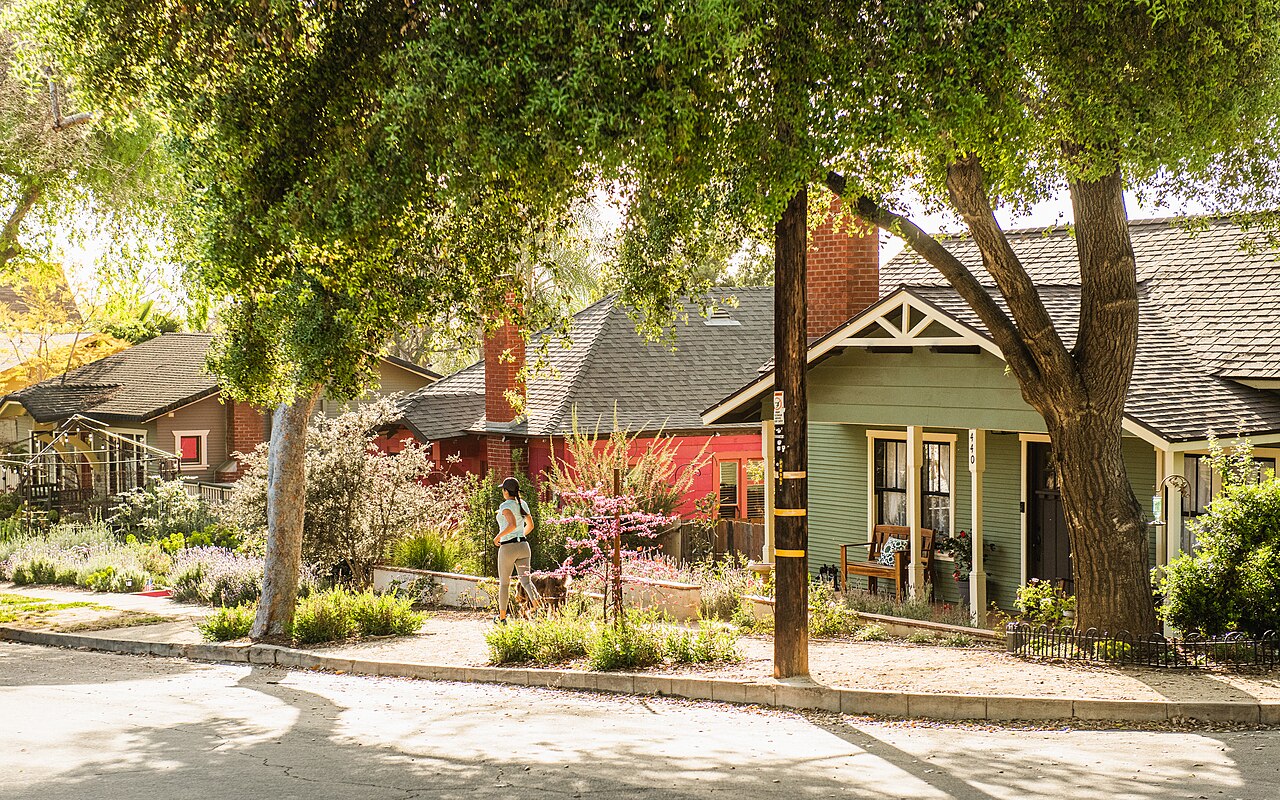
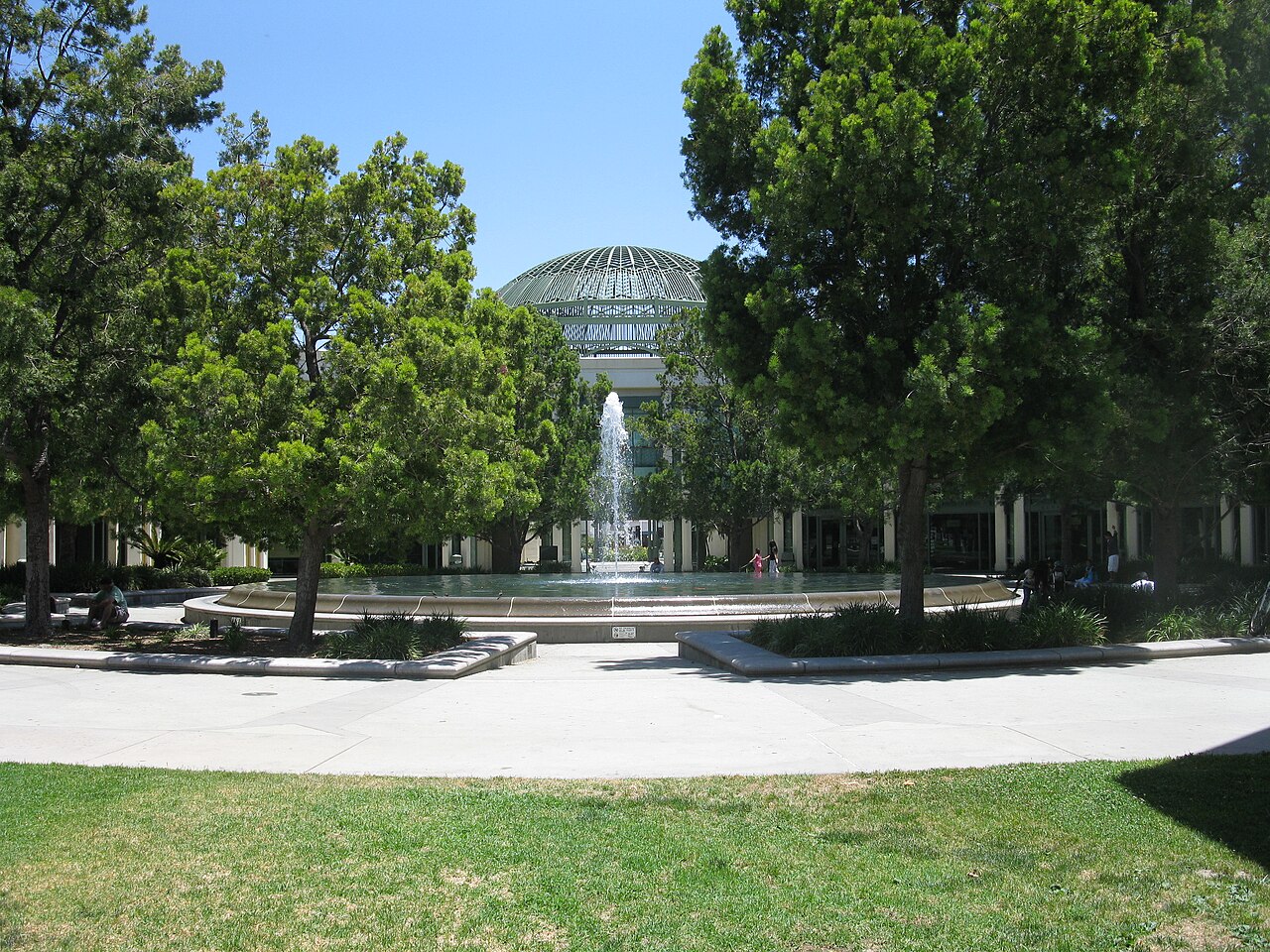
A tree-lined neighborhood in the Old Escondido Historic District.Image credit and rights
Credit
Photo by Mark Skovorodko, CC BY-SA 4.0, via Wikimedia Commons. Local copy uses Wikimedia's 1280px resized file; no Escondidopedia edits.
Reuse under CC BY-SA 4.0 with attribution, license link, share-alike for adaptations, and change indication if modified.
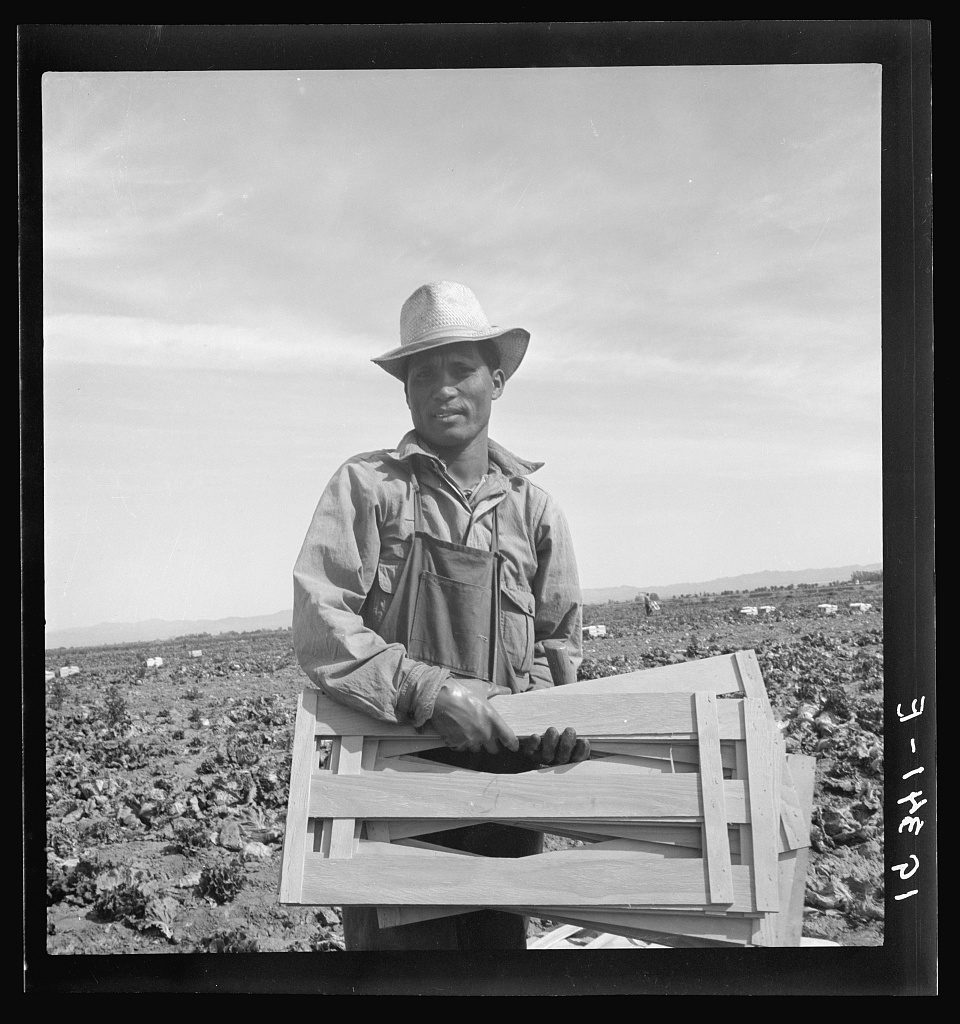
A Filipino lettuce-field laborer in Imperial Valley, photographed by Dorothea Lange in 1939. This is regional, contemporaneous context, not an Escondido portrait.Image credit and rights
Credit
Dorothea Lange, Farm Security Administration, 1939. Library of Congress, LC-DIG-fsa-8b33373.
Reuse under CC BY-SA 4.0 with attribution, license link, share-alike for adaptations, and change indication if modified.
Overview
This page supports a nineteen-chapter timeline that treats Indigenous continuity, immigrant lives, Californio experience, architecture, and civic development as parts of the same local history. Nine chapters center Indigenous and immigrant experiences, nine follow land, town, and civic change, and one closes with living culture and memory. Equal counts organize the display; they do not make these experiences equivalent or complete.
A Longer Starting Point
Escondido's history did not begin with a land company, a railroad, or incorporation. Archaeological evidence reviewed by the City reaches back about 10,000 years across the San Diego County region. That date describes the evidence in one archaeological synthesis, not the beginning of Native life. The same review describes distinct Kumeyaay and Luiseño communities, villages, food systems, and long exchange before 1769, while cautioning against drawing simple cultural boundaries from artifacts.
The official history of the San Pasqual Band adds a different and essential kind of source: the Band's own public account. It describes mission-era displacement and cultural continuity, the skilled community that established San Pasqual Pueblo, prosperity under Panto, the rejection of the Treaty of Santa Ysabel, and forced dispersal. The Band's current culture page makes clear that Kumeyaay history is living history.
That account should not be read as proof that the Escondido Valley belonged to Mission San Diego. The City review says the valley was outside the formal jurisdiction of both Mission San Diego and Mission San Luis Rey, while mission-associated parties still entered the area seeking Native laborers and religious converts. This distinction between mission boundaries and colonial reach is central to Chapter 3.
Work, Migration, And Community
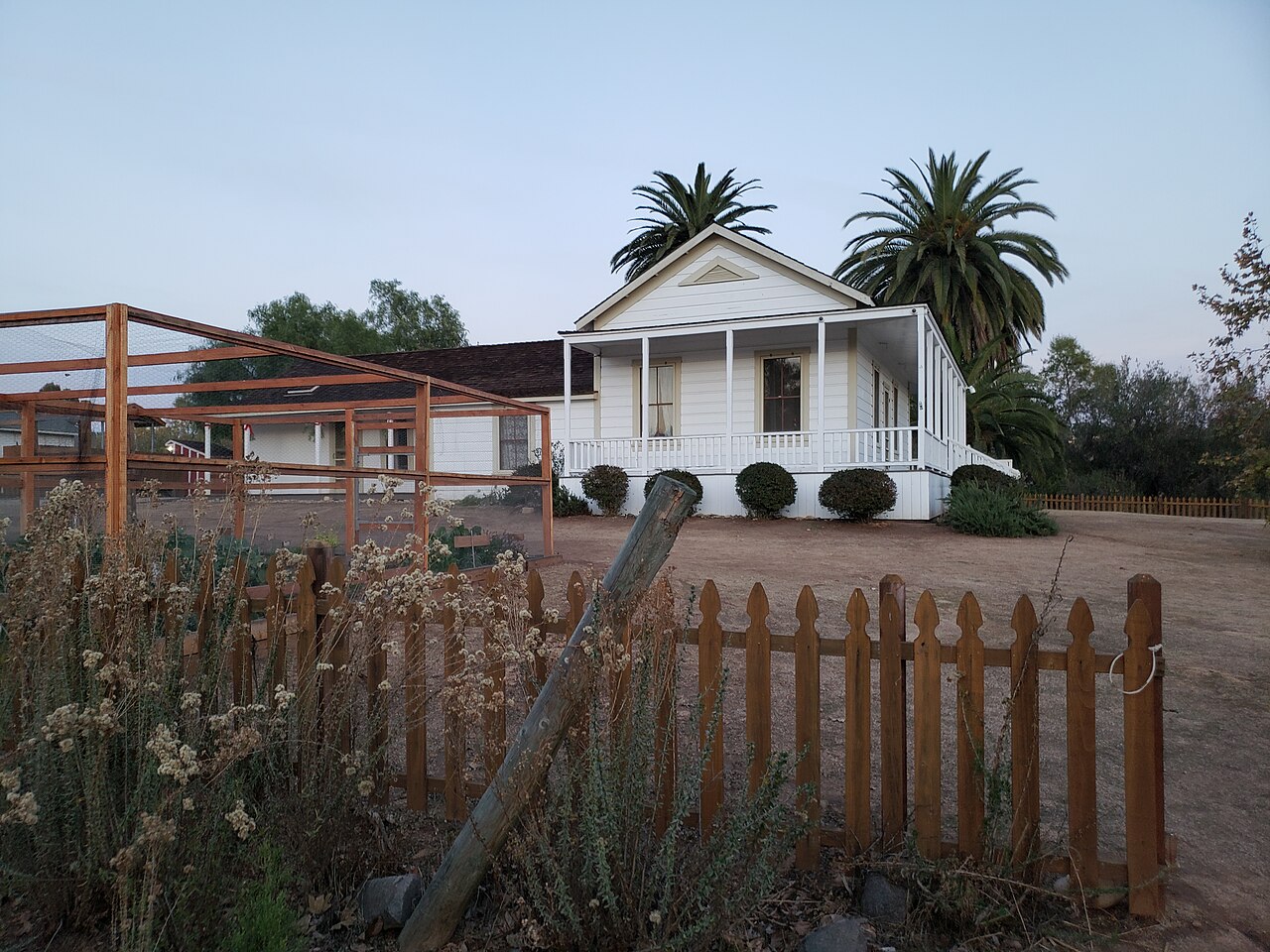
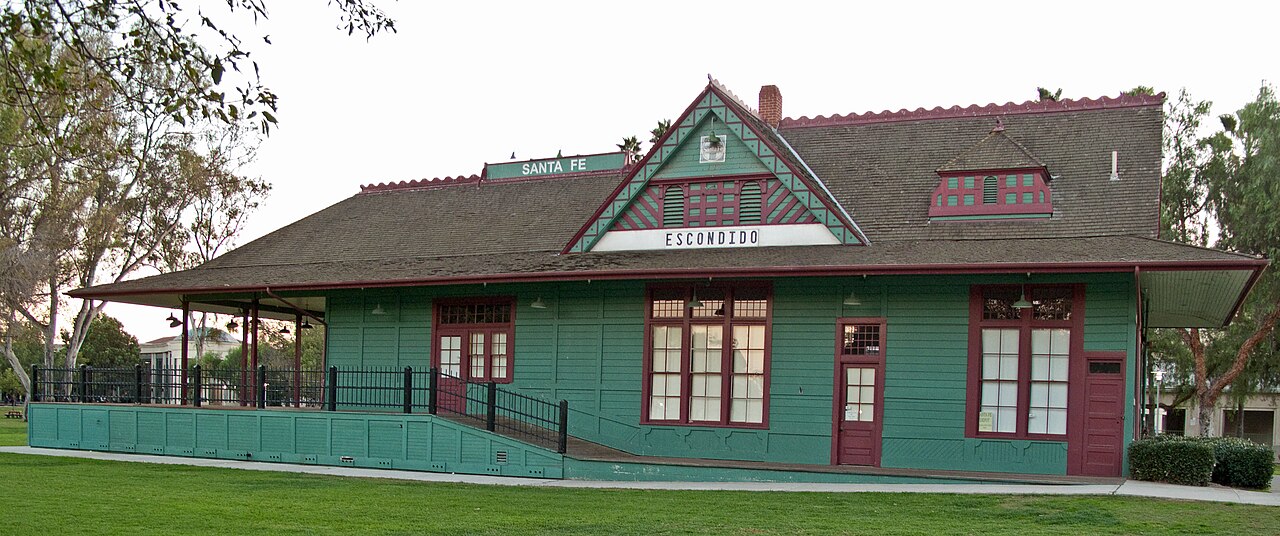
The familiar story of Escondido's land company, railroad, Victorian and Craftsman homes, incorporation, Grape Day, and municipal government is one strand. Agriculture tied that civic growth to land, migration, and labor: rail service expanded exports, vineyards and citrus groves shaped the economy, and some citrus groves later shifted to avocados. Research built from Pioneer Room material also records Chinese immigrants making bricks, constructing buildings, and operating businesses; Japanese cooks working at Hotel Escondido; and Filipino residents picking and packing lemons while sustaining community traditions such as Rizal Day.
These examples are not a complete immigration history. They are specific, sourced starting points that make individual work and community life visible instead of reducing immigrants to population counts.
The interactive Timeline presents nineteen equal-size chapters. Images sit beside the text so captions and source notes do not obscure them. Every chapter links to reviewed source records, and every image includes a description, context note, and rights information. The generated dated-record archive remains available below the curated story for readers who want the broader claim chronology.
Limits And Next Research
This first edition is strongest on the San Pasqual Band's public history and on late nineteenth- and early twentieth-century Asian immigrant experiences documented by the Pioneer Room and CSUSM project. It does not yet provide comparable depth on Luiseño-authored history, Mexican and Mexican American community life after 1848, later migration, Black residents, or other communities whose experiences belong in a fuller local history. Those are named research gaps, not evidence that the histories were absent.
A requested search for Ting's Pharmacy and other History Center photographs remains an image-acquisition lead. No candidate was assigned to a chapter because catalogue identification and reuse permission were not established on the public gallery page.
Related local context
Reviewed pages that connect this item to nearby places, organizations, records, or topics.
Evidence and maintenanceReferences, source dates, and review trail
References, source snapshots, and audit notes are kept here for readers who want to verify the page or maintain it later.
Good to know
Use this page as a sourced starting point for following a source-backed path through related local pages and records.
The San Pasqual Band pages are the authority for the Band's public account of its history and culture. The City cultural-resources report is used as a dated...
Change and source dates
Latest page update
2026-08-08
Latest source check
2026-08-08
Source snapshot
2026-05-24T07:10:59-07:00
A newer source should be checked before changing current status, access, roles, schedules, or practical details.
California State University San Marcos student project · web-page · retrieved 2026-08-08T21:08:29-07:00 · Origin
Source Notes
The San Pasqual Band history and culture pages are used for the Band's public account of Kumeyaay history and living culture. The City cultural-resources report is a dated archaeological and historical synthesis, not a Tribal voice; it supports the narrower finding that the valley was outside formal mission jurisdiction but encountered mission-associated parties. The CSUSM pages are archive-based student research highlighted by the Pioneer Room; individual statements remain attributed to that project. The City Departments and Grand Avenue pages support only the civic milestones they state. No History Center photographs are reproduced without established reuse rights. The Pioneer Room packing-house photograph is used under CC BY-NC 2.0; its image record carries the attribution and reuse limits.